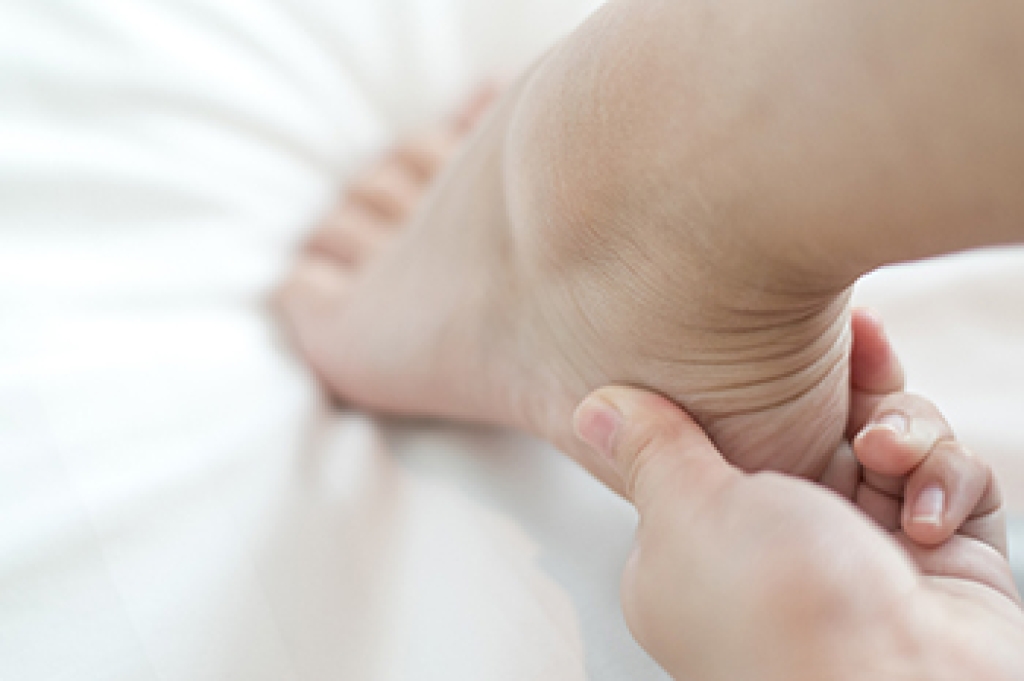
Sever’s disease causes heel pain in growing children, especially those who enjoy running and jumping. Despite its name, it is not an illness or infection. The condition affects the growth plate, a softer area of developing bone at the back of the heel. During a growth spurt, the heel bone can grow faster than the surrounding muscles and tendons. This can tighten the Achilles tendon, which connects the calf muscles to the heel. The tendon then pulls against the growth plate and causes irritation. Sever’s disease usually affects children between ages nine and fifteen. Pain can occur in one heel or both, making sports and everyday movement uncomfortable.
Children with Sever’s disease usually feel heel pain during or after physical activity. The back of the heel may become tender or slightly swollen. Some children limp or walk on their toes to avoid putting pressure on the painful area. Symptoms can improve when activity stops but return with running or jumping. Sports that involve repeated impact can increase strain on the heel. Tight calf muscles and rapid growth spurts can also raise the risk. Wearing shoes that lack proper support may add to the discomfort. Although the condition usually settles once the heel finishes growing, pain can interfere with school activities and sports participation. Persistent heel pain should not be ignored.
A podiatrist can examine the heel, review the child’s activities, and check for tenderness around the growth plate. The examination also helps rule out other causes of heel pain. Treatment focuses on easing pressure and keeping the child comfortable while the heel develops. A podiatrist may recommend cushioned heel inserts or custom orthotics to improve support. The podiatrist can assess shoe fit and suggest temporary changes to sports participation. Guided stretching and strengthening recommendations may also help address tight calf muscles. Follow-up appointments allow the podiatrist to monitor symptoms and guide a gradual return to activity. If your active child has symptoms of Sever’s disease, it is suggested that you schedule an appointment with a podiatrist for effective relief and management techniques.
Many people suffer from bouts of heel pain. For more information, contact one of our podiatrists of Podiatry Services . Our doctors can provide the care you need to keep you pain-free and on your feet.
Causes of Heel Pain
Heel pain is often associated with plantar fasciitis. The plantar fascia is a band of tissues that extends along the bottom of the foot. A rip or tear in this ligament can cause inflammation of the tissue.
Achilles tendonitis is another cause of heel pain. Inflammation of the Achilles tendon will cause pain from fractures and muscle tearing. Lack of flexibility is also another symptom.
Heel spurs are another cause of pain. When the tissues of the plantar fascia undergo a great deal of stress, it can lead to ligament separation from the heel bone, causing heel spurs.
Why Might Heel Pain Occur?
- Wearing ill-fitting shoes
- Wearing non-supportive shoes
- Weight change
- Excessive running
Treatments
Heel pain should be treated as soon as possible for immediate results. Keeping your feet in a stress-free environment will help. If you suffer from Achilles tendonitis or plantar fasciitis, applying ice will reduce the swelling. Stretching before an exercise like running will help the muscles. Using all these tips will help make heel pain a condition of the past.
If you have any questions, please feel free to contact our office located in Murrieta, CA . We offer the newest diagnostic and treatment technologies for all your foot care needs.


