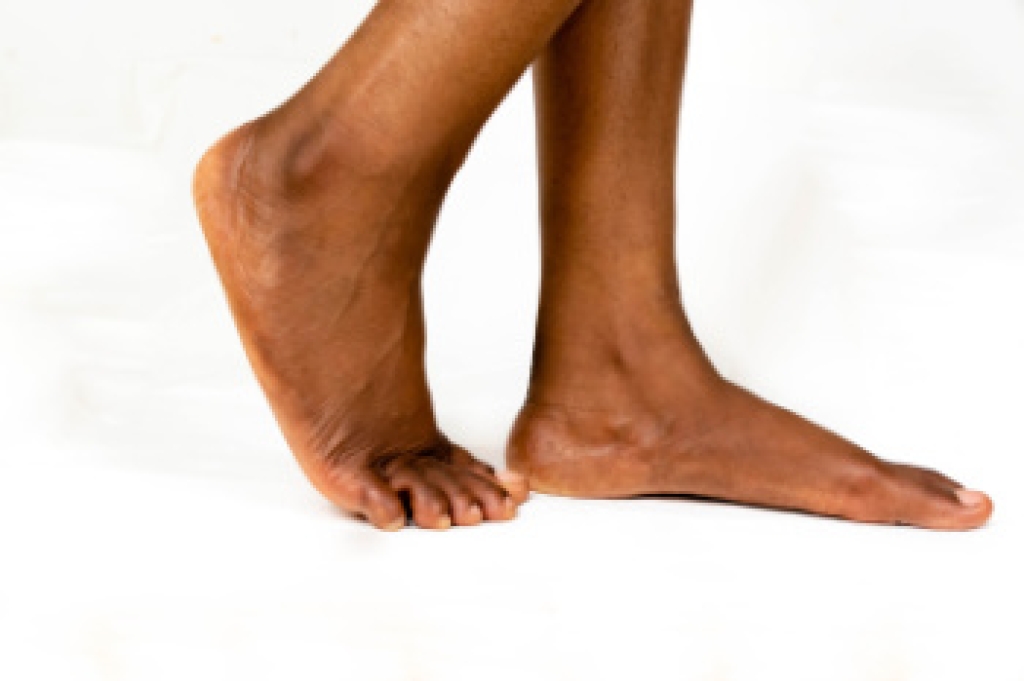
The Achilles Tendon and Tendinitis

The Achilles tendon is the strong band of tissue that connects the calf muscles to the heel bone and plays a vital role in walking, running and jumping. Achilles tendinitis occurs when this tendon becomes irritated or inflamed often due to overuse, sudden increases in activity, tight calf muscles, or repetitive stress from running and jumping sports. Symptoms may include pain, stiffness, swelling, and tenderness near the back of the heel especially during movement. Without proper care the condition can worsen and interfere with daily activities. A podiatrist can help by accurately diagnosing the condition and creating a personalized treatment plan that may include activity modification, stretching therapy, footwear guidance, and supportive devices to reduce strain on the tendon. If you have heel or ankle pain, it is suggested that you consult a podiatrist who can offer effective relief and treatment solutions for what may be going on. 

Achilles tendon injuries need immediate attention to avoid future complications. If you have any concerns, contact one of our podiatrists of Podiatry Services . Our doctors can provide the care you need to keep you pain-free and on your feet.

What Is the Achilles Tendon?

The Achilles tendon is a tendon that connects the lower leg muscles and calf to the heel of the foot. It is the strongest tendon in the human body and is essential for making movement possible. Because this tendon is such an integral part of the body, any injuries to it can create immense difficulties and should immediately be presented to a doctor.

What Are the Symptoms of an Achilles Tendon Injury?

There are various types of injuries that can affect the Achilles tendon. The two most common injuries are Achilles tendinitis and ruptures of the tendon.

Achilles Tendinitis Symptoms

  • Inflammation
  • Dull to severe pain
  • Increased blood flow to the tendon
  • Thickening of the tendon

Rupture Symptoms

  • Extreme pain and swelling in the foot
  • Total immobility

Treatment and Prevention

Achilles tendon injuries are diagnosed by a thorough physical evaluation, which can include an MRI. Treatment involves rest, physical therapy, and in some cases, surgery. However, various preventative measures can be taken to avoid these injuries, such as:

  • Thorough stretching of the tendon before and after exercise
  • Strengthening exercises like calf raises, squats, leg curls, leg extensions, leg raises, lunges, and leg presses

If you have any questions please feel free to contact our office located in Murrieta, CA . We offer the newest diagnostic tools and technology to treat your foot and ankle needs.

Read more about The Causes, Types, and Treatments of Achilles Tendon Injuries

Managing Mid-Foot Pain Through Different Stages of Life

Mid-foot pain can occur at any age, but its causes often change as people move through life. Children may feel soreness from growth-related issues, and teens or young adults may develop pain from sports, jumping, or repetitive impact. Adults frequently notice mid-foot discomfort from overuse or shoes that do not support the arch well. As people get older, gradual weakening of the structures that support the arch can make this area more sensitive. Some injuries in this region, including stress to the navicular bone along the inner mid-foot and damage to the Lisfranc ligament that stabilizes the center of the arch, can become serious if they are missed or treated too late. If mid-foot pain appears suddenly or worsens over time, it is suggested that you see a podiatrist for effective relief and treatment solutions.

Foot Pain

Foot pain can be extremely painful and debilitating. If you have a foot pain, consult with one of our podiatrists from Podiatry Services . Our doctors will assess your condition and provide you with quality foot and ankle treatment.

Causes

Foot pain is a very broad condition that could be caused by one or more ailments. The most common include:

  • Bunions
  • Hammertoes
  • Plantar Fasciitis
  • Bone Spurs
  • Corns
  • Tarsal Tunnel Syndrome
  • Ingrown Toenails
  • Arthritis (such as Gout, Rheumatoid, and Osteoarthritis)
  • Flat Feet
  • Injury (from stress fractures, broken toe, foot, ankle, Achilles tendon ruptures, and sprains)
  • And more

Diagnosis

To figure out the cause of foot pain, podiatrists utilize several different methods. This can range from simple visual inspections and sensation tests to X-rays and MRI scans. Prior medical history, family medical history, and any recent physical traumatic events will all be taken into consideration for a proper diagnosis.

Treatment

Treatment depends upon the cause of the foot pain. Whether it is resting, staying off the foot, or having surgery; podiatrists have a number of treatment options available for foot pain.

If you have any questions, please feel free to contact our office located in Murrieta, CA . We offer the newest diagnostic and treatment technologies for all your foot care needs.

Read more about Foot Pain

Let the Expert Treat Your Ingrown Toenails

Ingrown toenails can be painful and can make wearing shoes or walking uncomfortable. Seek professional help if you believe you've developed an ingrown toenail and be treated safely. 

Reasons to Have Ingrown Toenail Removal Surgery

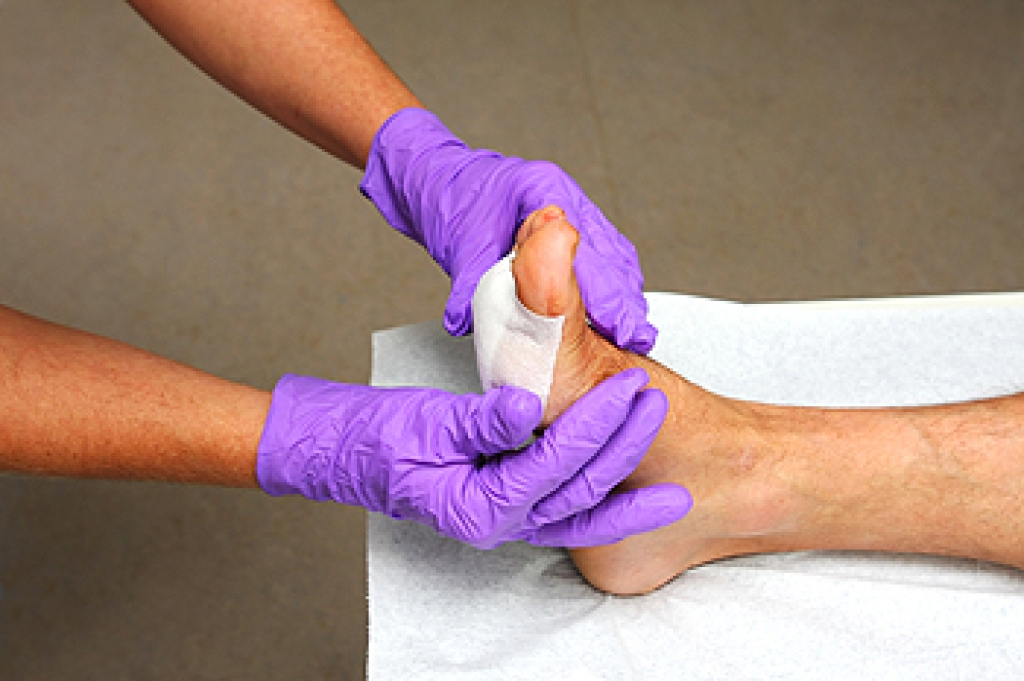
Ingrown toenail removal surgery is a simple procedure performed when the edge of a toenail grows into the surrounding skin and causes pain, swelling, or infection. It is needed when home care no longer helps, or when the condition keeps returning. During the procedure the podiatrist removes the offending nail edge and may treat the nail root to prevent it from growing back into the skin. Recovery is usually smooth with gentle wound care, clean dressings, and keeping pressure off the toe while it heals. A podiatrist guides every step to ensure comfort and prevent future problems. If you are struggling with persistent toenail pain or see signs of an infection, it is strongly suggested that you consult a podiatrist who can discuss the benefits of ingrown toenail surgery with you.

Foot surgery is sometimes necessary to treat a foot ailment. To learn more, contact one of our podiatrists of Podiatry Services . Our doctors will assist you with all of your foot and ankle needs.

When Is Surgery Necessary?

Foot and ankle surgery is generally reserved for cases in which less invasive, conservative procedures have failed to alleviate the problem. Some of the cases in which surgery may be necessary include:

  • Removing foot deformities like bunions and bone spurs
  • Severe arthritis that has caused bone issues
  • Cosmetic reconstruction

What Types of Surgery Are There?

The type of surgery you receive will depend on the nature of the problem you have. Some of the possible surgeries include:

  • Bunionectomy for painful bunions
  • Surgical fusion for realignment of bones
  • Neuropathy decompression surgery to treat nerve damage

Benefits of Surgery

Although surgery is usually a last resort, it can provide more complete pain relief compared to non-surgical methods and may allow you to finally resume full activity.

Surgical techniques have also become increasingly sophisticated. Techniques like endoscopic surgery allow for smaller incisions and faster recovery times.

If you have any questions, please feel free to contact our office located in Murrieta, CA . We offer the newest diagnostic and treatment technologies for all your foot care needs.

Read more about Foot and Ankle Surgery

Dealing With Foot Pain During Pregnancy

Foot pain during pregnancy often develops as extra weight and shifting balance place added stress on the heels, arches, toes, and ankles. As the baby grows, many women notice soreness linked to swelling, changes in posture, or increased strain on soft tissues. Plantar fasciitis involves irritation of the band of tissue that supports the arch and can lead to sharp pain in the heel, especially when taking the first steps after resting. Irritation of the Achilles tendon creates stiffness and makes walking uncomfortable as the back of the ankle becomes increasingly stressed. Swelling around the toes and ankles can also cause aching or a heavy sensation in the feet and make standing or walking more difficult. A podiatrist can evaluate these foot pain issues, provide inserts for shoes with inadequate support, and offer guidance on ways to reduce strain on the feet during pregnancy. If you are experiencing any of the above symptoms, it is suggested that you make an appointment with a podiatrist for a diagnosis and appropriate treatment.

Pregnant women with swollen feet can be treated with a variety of different methods that are readily available. For more information about other cures for swollen feet during pregnancy, consult with one of our podiatrists from Podiatry Services . Our doctors will attend to all of your foot and ankle needs.

What Foot Problems Can Arise During Pregnancy?

One problem that can occur is overpronation, which occurs when the arch of the foot flattens and tends to roll inward.  This can cause pain and discomfort in your heels while you’re walking or even just standing up, trying to support your baby.  

Another problem is edema, or swelling in the extremities. This often affects the feet during pregnancy but tends to occur in the later stages. 

How Can I Keep My Feet Healthy During Pregnancy?

  • Wearing orthotics can provide extra support for the feet and help distribute weight evenly
  • Minimize the amount of time spent walking barefoot
  • Wear shoes with good arch support
  • Wear shoes that allow for good circulation to the feet
  • Elevate feet if you experience swelling
  • Massage your feet
  • Get regular, light exercise, such as walking, to promote blood circulation to the feet

If you have any questions, please feel free to contact our office located in Murrieta, CA . We offer the newest diagnostic and treatment technologies for all your foot care needs.

Read more about Foot Care for Pregnant Women

Connect With Us

Advanced Podiatric Procedures & Services in the Riverside County, CA: Murrieta (Temecula, Menifee, Lake Elsinore, French Valley, Wildomar, Lakeland, Village, Canyon Lake, Valle De Los Caballos) areas