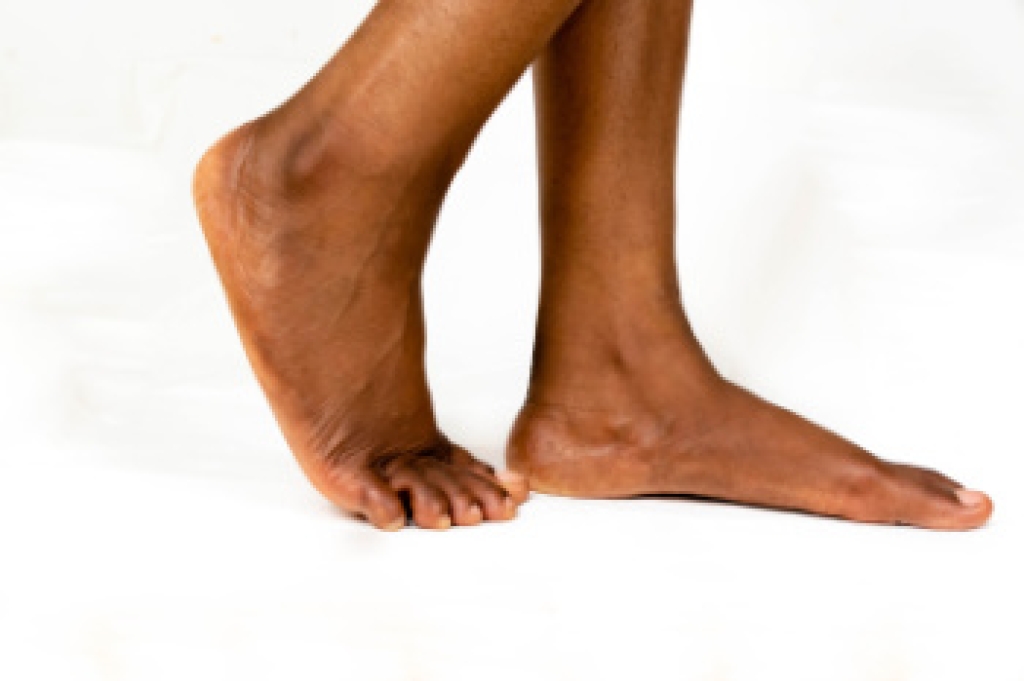
Your feet do more than carry the weight of your body. They help you balance, push forward, and change direction. Stretching the feet supports the flexibility needed for these movements. The big toe plays an especially important role because it helps propel the body forward when walking or running. When the big toe cannot bend freely, other areas may face extra stress. Foot strength matters, too. Research suggests that stronger toes may help athletes accelerate and change direction more effectively. Both flexibility and strength support healthy foot function. Maintaining comfortable movement in the feet is important for everyday activities and athletic performance.
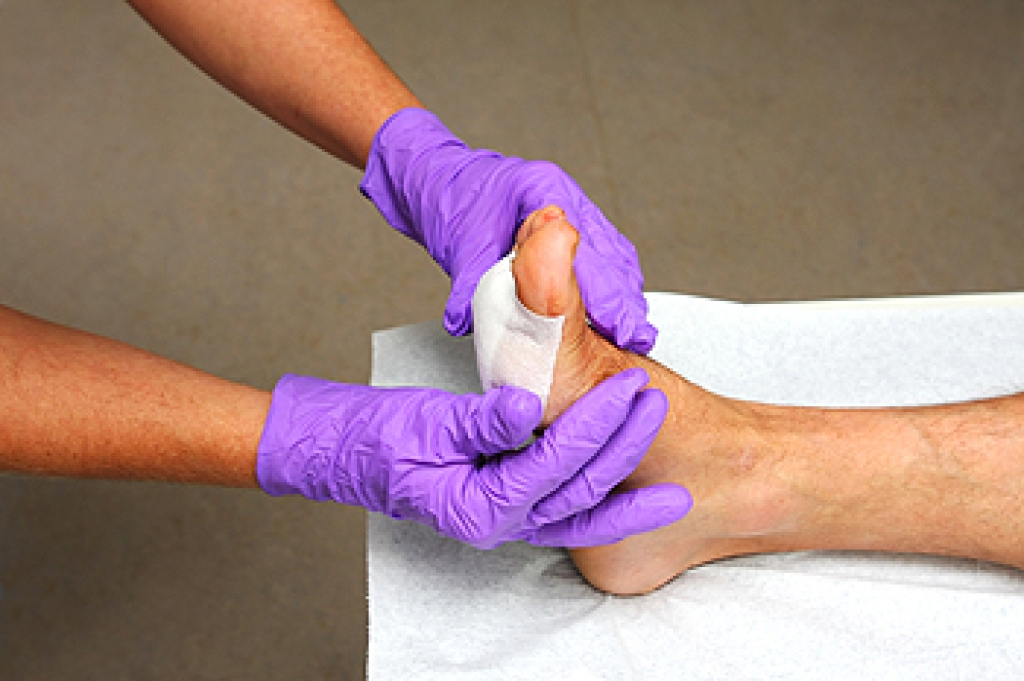
Foot flexibility affects movement. The arch supports your weight, while the heel and toes help control each step. Tightness beneath the foot or around the calf can limit comfortable movement. A podiatrist can assess these areas and identify restrictions. A professional stretching plan might focus on improving big-toe motion, easing tight calf muscles, and increasing flexibility along the sole. A podiatrist can also assess foot strength and recommend supervised exercises. For athletes, these improvements may support running, jumping, and quick changes in direction. Results vary. Proper foot movement also helps the body manage pressure when the feet contact the ground.
Not every painful or stiff foot needs the same approach. Stretching too aggressively can increase pain when tissues are irritated or injured. A podiatrist can examine how your feet move and determine whether limited flexibility, muscle weakness, or joint problems contribute to symptoms. Treatment can include guided stretching, targeted strengthening, and recommendations for shoes with proper support. The goal is to improve movement safely. People who notice ongoing arch discomfort or stiffness in the big toe should seek an evaluation. If you have pain or stiffness in the feet, it is suggested that you schedule an appointment with a podiatrist for diagnosis and treatment.
Stretching the feet is a great way to prevent injuries. If you have any concerns with your feet consult with one of our podiatrists from Podiatry Services . Our doctors will assess your condition and provide you with quality foot and ankle treatment.
Stretching the Feet
Stretching the muscles in the foot is an important part in any physical activity. Feet that are tight can lead to less flexibility and make you more prone to injury. One of the most common forms of foot pain, plantar fasciitis, can be stretched out to help ease the pain. Stretching can not only ease pain from plantar fasciitis but also prevent it as well. However, it is important to see a podiatrist first if stretching is right for you. Podiatrists can also recommend other ways to stretch your feet. Once you know whether stretching is right for you, here are some excellent stretches you can do.
- Using a foam roller or any cylindrical object (a water bottle or soda can will do), roll the object under your foot back and forth. You should also exert pressure on the object. Be sure to do this to both feet for a minute. Do this exercise three times each.
- Similar to the previous one, take a ball, such as a tennis ball, and roll it under your foot while seated and exert pressure on it.
- Grab a resistance band or towel and take a seat. If you are using a towel, fold it length wise. Next put either one between the ball of your foot and heel and pull with both hands on each side towards you. Hold this for 15 seconds and then switch feet. Do this three times for each foot.
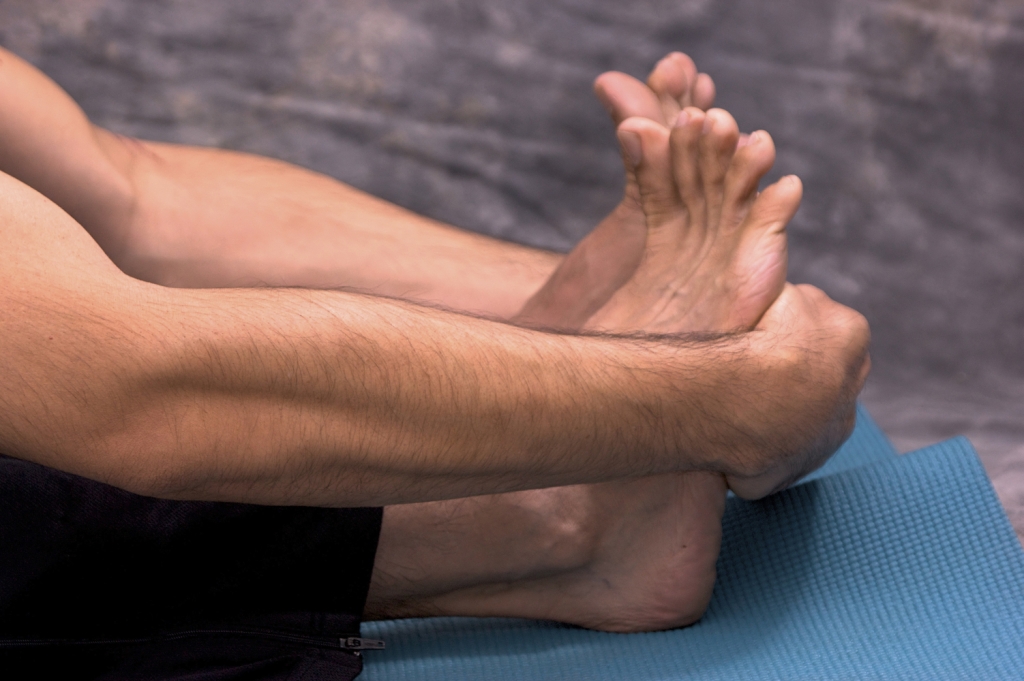
- Finally hold your big toe while crossing one leg over the other. Pull the toe towards you and hold for 15 seconds. Once again do this three times per foot.
It is best to go easy when first stretching your foot and work your way up. If your foot starts hurting, stop exercising and ice and rest the foot. It is advised to then see a podiatrist for help.
If you have any questions please contact our office located in Murrieta, CA . We offer the newest diagnostic and treatment technologies for all your foot and ankle needs.