Foot Wounds and Signs of Infection

A foot wound is any break in the skin or underlying tissue of the foot caused by injury, pressure, or medical conditions. Wounds can range from minor cuts and blisters to more serious ulcers that require medical care. The feet are especially vulnerable because they are exposed to daily stress and friction. Proper understanding of foot wounds is important for early detection and effective treatment, especially for individuals with underlying health concerns that may affect healing.

Symptoms of a foot wound can vary depending on severity but often include redness, swelling, and pain at the site of injury. In more serious cases, the skin around the wound may feel warm, and there may be visible discharge. An unpleasant odor can develop if the wound becomes infected. Some individuals may also experience fever, which can indicate that the infection is spreading. These symptoms should not be ignored, as they may signal the need for prompt medical attention.


Causes of foot wounds include cuts, abrasions, and injuries from stepping on sharp objects. Risk factors include diabetes, poor circulation, and reduced sensation in the feet. These conditions can delay healing and increase the likelihood of infection. Individuals who spend long periods of time on their feet or engage in high-impact activities may also be at greater risk. Recognizing these factors can help guide preventive measures and reduce the chance of complications.


Proper care of foot wounds involves keeping the area clean, protected, and monitored for changes. Early treatment can prevent infection and support faster healing. Wearing well-fitted shoes and maintaining proper foot hygiene are essential steps in prevention. Ignoring symptoms may lead to more serious health issues that affect mobility and overall well-being. If you have a foot wound, it is suggested that you consult a podiatrist for effective relief and treatment solutions.

Wound care is an important part in dealing with diabetes. If you have diabetes and a foot wound or would like more information about wound care for diabetics, consult with one of our podiatrists from Podiatry Services . Our doctors will assess your condition and provide you with quality foot and ankle treatment.

What Is Wound Care?

Wound care is the practice of taking proper care of a wound. This can range from the smallest to the largest of wounds. While everyone can benefit from proper wound care, it is much more important for diabetics. Diabetics often suffer from poor blood circulation which causes wounds to heal much slower than they would in a non-diabetic. 

What Is the Importance of Wound Care?

While it may not seem apparent with small ulcers on the foot, for diabetics, any size ulcer can become infected. Diabetics often also suffer from neuropathy, or nerve loss. This means they might not even feel when they have an ulcer on their foot. If the wound becomes severely infected, amputation may be necessary. Therefore, it is of the upmost importance to properly care for any and all foot wounds.

How to Care for Wounds

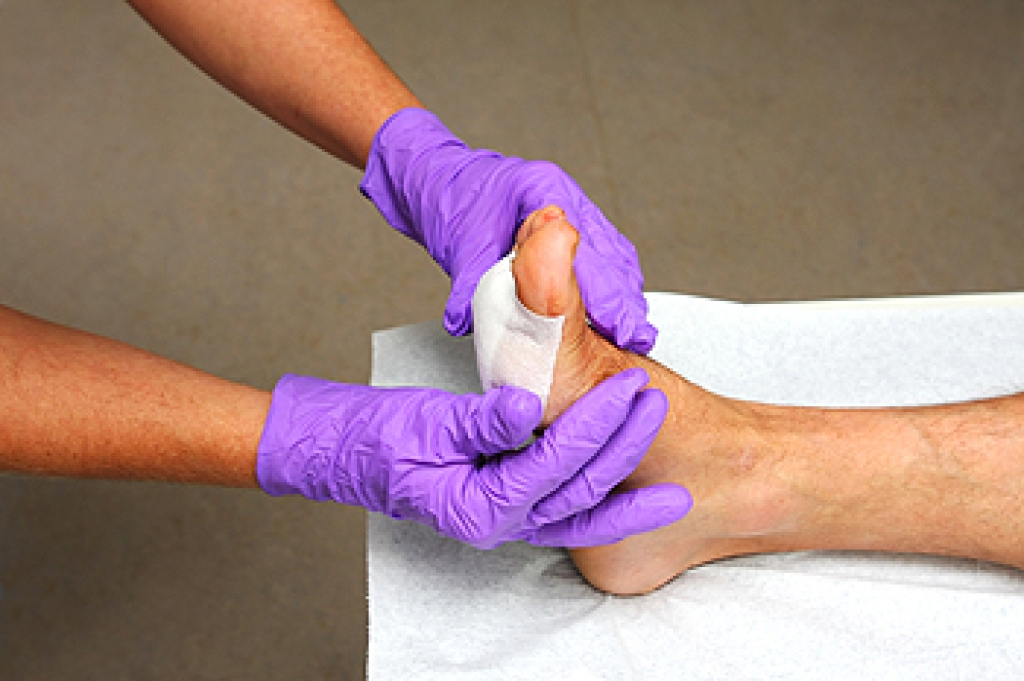
The best way to care for foot wounds is to prevent them. For diabetics, this means daily inspections of the feet for any signs of abnormalities or ulcers. It is also recommended to see a podiatrist several times a year for a foot inspection. If you do have an ulcer, run the wound under water to clear dirt from the wound; then apply antibiotic ointment to the wound and cover with a bandage. Bandages should be changed daily and keeping pressure off the wound is smart. It is advised to see a podiatrist, who can keep an eye on it.

If you have any questions please contact our office located in Murrieta, CA . We offer the newest diagnostic and treatment technologies for all your foot and ankle needs.
Read more about Wound Care

Do Your Child's Feet Hurt?

Have your child's feet been examined lately? Healthy feet are happy feet. If your child is complaining of foot pain, it may be a sign of underlying problems.

Achilles Tendon Injuries and Running-Related Pain

Achilles tendon injuries are common among runners and active individuals who place repeated stress on the lower leg. The Achilles tendon is a strong band of tissue that connects the calf muscles to the heel bone, allowing for walking, running, and jumping. Injury occurs when this tendon becomes irritated, inflamed, or partially torn due to overuse or excessive strain. Many runners notice pain in the Achilles tendon during or after activity, which is often an early sign of tendon stress that should not be ignored.

Symptoms of Achilles tendon injuries include pain and stiffness along the back of the ankle, especially in the morning or after exercise. Swelling, tenderness, and a limited range of motion may also develop. Some individuals experience a burning or aching sensation that worsens with continued activity. Risk factors include intense training schedules, inadequate warm-up routines, and poor flexibility in the calf muscles. Runners who suddenly increase distance or speed may also place excessive strain on the tendon, increasing the likelihood of injury.


Pain in the Achilles tendon while running is often caused by repetitive impact and insufficient recovery time. When the tendon does not have enough time to repair between training sessions, small micro-injuries can accumulate and lead to inflammation. Unsuitable running shoes can also contribute by failing to provide proper cushioning and support, which increases stress on the tendon. Running on hard or uneven surfaces may further aggravate the condition and disrupt normal foot mechanics.


Preventing Achilles tendon injuries requires a balanced approach to training and proper footwear selection. Gradually increasing activity levels, allowing adequate recovery between sessions, and wearing supportive running shoes can reduce strain on the tendon. Stretching and strengthening exercises can also improve flexibility and resilience. Early attention to symptoms can help prevent more serious injury and support long-term performance. If you have had an Achilles tendon injury, it is suggested that you consult a podiatrist for effective relief and treatment solutions.

Achilles tendon injuries need immediate attention to avoid future complications. If you have any concerns, contact one of our podiatrists of Podiatry Services . Our doctors can provide the care you need to keep you pain-free and on your feet.

What Is the Achilles Tendon?

The Achilles tendon is a tendon that connects the lower leg muscles and calf to the heel of the foot. It is the strongest tendon in the human body and is essential for making movement possible. Because this tendon is such an integral part of the body, any injuries to it can create immense difficulties and should immediately be presented to a doctor.

What Are the Symptoms of an Achilles Tendon Injury?

There are various types of injuries that can affect the Achilles tendon. The two most common injuries are Achilles tendinitis and ruptures of the tendon.

Achilles Tendinitis Symptoms

  • Inflammation
  • Dull to severe pain
  • Increased blood flow to the tendon
  • Thickening of the tendon

Rupture Symptoms

  • Extreme pain and swelling in the foot
  • Total immobility

Treatment and Prevention

Achilles tendon injuries are diagnosed by a thorough physical evaluation, which can include an MRI. Treatment involves rest, physical therapy, and in some cases, surgery. However, various preventative measures can be taken to avoid these injuries, such as:

  • Thorough stretching of the tendon before and after exercise
  • Strengthening exercises like calf raises, squats, leg curls, leg extensions, leg raises, lunges, and leg presses

If you have any questions please feel free to contact our office located in Murrieta, CA . We offer the newest diagnostic tools and technology to treat your foot and ankle needs.

Read more about What are Achilles Tendon Injuries

Causes and Treatment of Foot Stress Fractures

A foot stress fracture is a small crack in a bone caused by repeated pressure. It develops when bone tissue breaks down faster than the body can rebuild it. Runners, dancers, and athletes in high-impact sports face greater risk. A sudden increase in training can place too much strain on the feet. Other risk factors include low bone strength, poor foot alignment, and shoes that lack proper support. Pain usually develops gradually and worsens with activity. Swelling and tenderness can occur near the injured bone.

A podiatrist can determine whether the pain comes from a stress fracture or another foot problem. The examination includes a review of recent activities, the location of tenderness, and changes in training habits. X-rays can help identify a fracture, but a hairline crack does not always appear. A podiatrist can order an MRI scan or another imaging test for a closer view. Early diagnosis is important because continued pressure can enlarge the crack and delay healing. A serious fracture can also move out of its normal position. Surgery is rarely required, but it can become necessary when a fracture is unstable or fails to heal properly.

Rest from the activity that caused the injury gives the bone time to heal. A podiatrist can protect the foot with a walking boot, cast, or crutches. The choice depends on the injured bone and the severity of the crack. Follow-up visits allow the podiatrist to track healing and decide when activity can safely resume. Returning too quickly raises the chance of another injury. Prevention includes increasing training by no more than 10 percent each week and avoiding sudden changes in intensity. Patients should choose well-fitting shoes designed for their activity and replace worn-out pairs. A podiatrist can assess foot structure, recommend custom orthotics, and guide a safe return to exercise. If you have symptoms of a foot stress fracture, it is suggested that you schedule an appointment with a podiatrist for a diagnosis and appropriate treatment.

Activities where too much pressure is put on the feet can cause stress fractures. To learn more, contact one of our podiatrists from Podiatry Services . Our doctors can provide the care you need to keep your pain free and on your feet.

Dealing with Stress Fractures of the Foot and Ankle

Stress fractures occur in the foot and ankle when muscles in these areas weaken from too much or too little use.  The feet and ankles then lose support when walking or running from the impact of the ground. Since there is no protection, the bones receive the full impact of each step. Stress on the feet can cause cracks to form in the bones, thus creating stress fractures.

What Are Stress Fractures?

Stress fractures occur frequently in individuals whose daily activities cause great impact on the feet and ankles. Stress factors are most common among:

  • Runners                                
  • People affected with Osteoporosis
  • Tennis or basketball players
  • Gymnasts
  • High impact workouts

Symptoms

Pain from the fractures occur in the area of the fractures and can be constant or intermittent. It will often cause sharp or dull pain with swelling and tenderness. Engaging in any kind of activity which involves high impact will aggravate pain.

If you have any questions please contact our office located in Murrieta, CA . We offer the newest diagnostic and treatment technologies for all your foot and ankle needs.

Read more about Dealing with Stress Fractures of the Foot and Ankle

Foot Care Helps Seniors Improve Balance and Avoid Falls

Falls can cause serious injuries and reduce a senior’s ability to remain active and independent. Age-related changes in balance, vision, and muscle strength can raise the risk. Foot pain, numbness, and joint stiffness can also make each step less stable. Other concerns include poor circulation, weak ankles, and changes in foot shape. Shoes that lack proper support or do not fit correctly can create further problems. Because many falls are never reported, seniors should discuss balance concerns and recent stumbles with a podiatrist. A fall-risk evaluation can identify problems before a major injury occurs.

A podiatrist can examine the feet and ankles to find issues that affect balance. The examination includes checking skin health, joint movement, and muscle strength. The podiatrist can also assess how the patient stands and walks. This can reveal an uneven gait, which means the feet and legs do not move in a steady pattern. Treatment options include custom orthotics to improve foot position and stability. A podiatrist can recommend shoes with proper support, secure fasteners, and slip-resistant soles. They can also treat painful corns, thick toenails, or other foot problems that make walking difficult.

Falls prevention also requires attention to the places where seniors move each day. Clear pathways, strong stair railings, and good lighting can reduce hazards. Grab bars near the toilet and shower provide added support. Regular eye and hearing examinations can help seniors notice obstacles and respond to their surroundings. Seniors should also report changes in sensation, recurring ankle problems, and difficulty lifting the feet. Routine podiatric visits help track changes in foot health and allow treatment plans to be adjusted. Early care can support safer movement, greater confidence, and continued independence. If you are a senior and have fallen, it is suggested that you schedule an appointment with a podiatrist for effective treatment solutions, and additional guidance on fall prevention tips.

Preventing falls among the elderly is very important. If you are older and have fallen or fear that you are prone to falling, consult with one of our podiatrists from Podiatry Services . Our doctors will assess your condition and provide you with quality advice and care.

Every 11 seconds, an elderly American is being treated in an emergency room for a fall related injury. Falls are the leading cause of head and hip injuries for those 65 and older. Due to decreases in strength, balance, senses, and lack of awareness, elderly persons are very susceptible to falling. Thankfully, there are a number of things older persons can do to prevent falls.

How to Prevent Falls

Some effective methods that older persons can do to prevent falls include:

  • Enrolling in strength and balance exercise program to increase balance and strength
  • Periodically having your sight and hearing checked
  • Discuss any medications you have with a doctor to see if it increases the risk of falling
  • Clearing the house of falling hazards and installing devices like grab bars and railings
  • Utilizing a walker or cane
  • Wearing shoes that provide good support and cushioning
  • Talking to family members about falling and increasing awareness

Falling can be a traumatic and embarrassing experience for elderly persons; this can make them less willing to leave the house, and less willing to talk to someone about their fears of falling. Doing such things, however, will increase the likelihood of tripping or losing one’s balance. Knowing the causes of falling and how to prevent them is the best way to mitigate the risk of serious injury.  

If you have any questions, please feel free to contact our office located in Murrieta, CA . We offer the newest diagnostic and treatment technologies for all your foot care needs.

Read more about Falls Prevention

Connect With Us

Advanced Podiatric Procedures & Services in the Riverside County, CA: Murrieta (Temecula, Menifee, Lake Elsinore, French Valley, Wildomar, Lakeland, Village, Canyon Lake, Valle De Los Caballos) areas